Optimarin Accessory
Stripping
DNV-approved option using the vessel's existing ejector to remove residual ballast water, with drive water filtered and the mixture UV treated.
Description
During tank emptying the main ballast pump often loses suction before the tank is completely empty. The Stripping option lets the operator remove the remaining ballast water through the vessel's existing ejector. The ejector uses local sea water at high pressure to create suction; the drive water is filtered, and the mixture of drive water and ballast water is UV treated before discharge. The solution is DNV approved.
Key features
- Supports several piping configurations
- Fully integrated in the Optimarin automation system
- Automatic air release system to vent excess air generated by the ejector
- Automatic UV adjustment: the number of active UV lamps is matched to the drive water capacity when a stripping operation starts
Specifications
| Approval | DNV |
|---|
More from Optimarin
- Optimarin Fresh Water Filling
- Optimarin UV System
- Optimarin Filter
- Optimarin Electric Flow Pressure Valve
- Optimarin OBS EX – Explosion-proof Ballast Water Treatment System
- Optimarin Skid Solutions
- Optimarin OptiLink
- Optimarin Remote Operation
- Optimarin Interlock Panel
- Optimarin GPS Logging
- Optimarin Service and Support
- Optimarin Ballast Water Treatment System
Featured products
All products →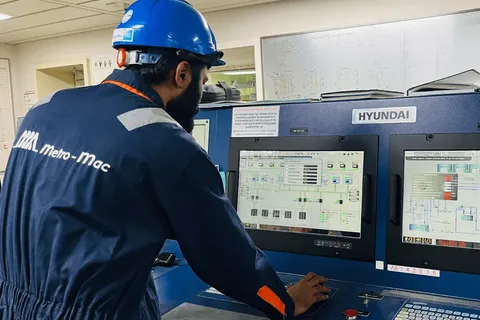
Device / Instrument
Tank Gauging & Level Monitoring Systems Services
Onboard calibration, testing and commissioning of ullage, temperature and interface gauging, water ingress detection and integrated cargo monitoring systems (ICMS), to class, IMO and terminal vetting standards.
Equipment
Everllence 175D High-Speed Engine
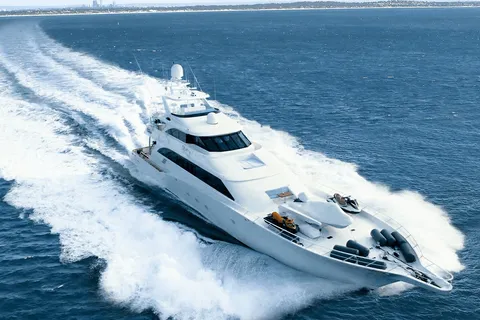
V12, V16 and V20 high-speed marine diesel engine with 175 mm bore, 1,440–4,400 kW at 1,500–2,000 rpm, methanol-ready, for propulsion and gensets on naval, offshore, ferry, tug, yacht and fishing vessels.
Equipment
VETUS Electronic Remote Controls ECS
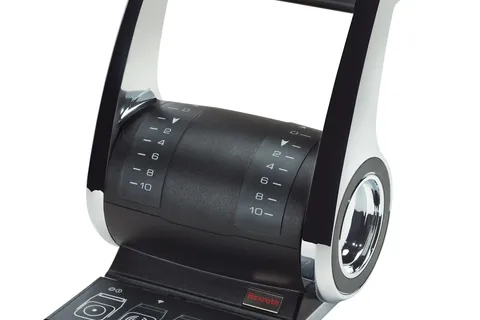
Rexroth-developed ECS electronic engine controls for single or twin engines from up to four stations, with optional trolling control, CAN-bus communication and auto-diagnostics; for leisure craft and small workboats.