The Signal Group Software
Vessel Emissions Estimates
DNV-verified algorithm estimating vessel CO2 emissions per voyage, with comparison against IMO CII, Poseidon Principles and Sea Cargo Charter targets.
Description
Signal Ocean's vessel emissions algorithm estimates CO2 emissions for each voyage. DNV issued a Letter of Professional Opinion that it meets MARPOL carbon intensity calculation guidelines.
Key features
- Considers voyage details, route deviations, vessel size, age, speed, loading condition, shipyard, scrubber use and fuel type
- Historical estimates back to 2018
- Coverage of tankers above 25k dwt, dry cargo vessels above 20k dwt and all LPG vessels
- Comparison of vessel or fleet performance against the IMO Carbon Intensity Indicator, Poseidon Principles and Sea Cargo Charter targets
Applications
Emissions reporting, CII monitoring and decarbonization benchmarking for owners, charterers and financiers.
Specifications
| Coverage | tankers above 25k dwt, dry cargo vessels above 20k dwt, all LPG vessels |
|---|---|
| History | back to 2018 |
| Verification | DNV Letter of Professional Opinion (MARPOL carbon intensity guidelines) |
More from The Signal Group
Featured products
All products →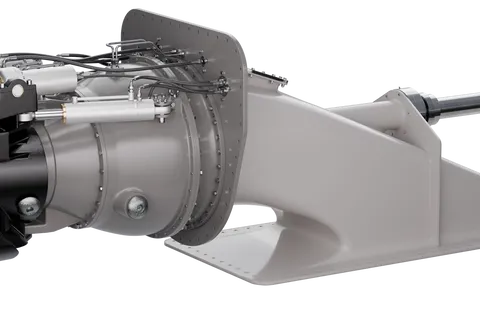
Equipment
Compact Steering Unit (CSU) Waterjet
MJP Compact Steering Unit (CSU): mixed-flow duplex stainless steel waterjet series from 2,500 to 24,000 kW for vessels of 26–200 m, with classic reversing bucket for narrow installations and composite, steel or aluminium intakes.
Equipment
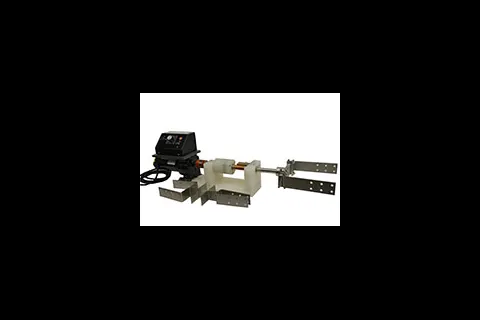
Variable Speed ID Plater
Variable-speed drive with polypropylene flow chamber for plating inside diameters, conducting plating current up to 150 amp.
Equipment
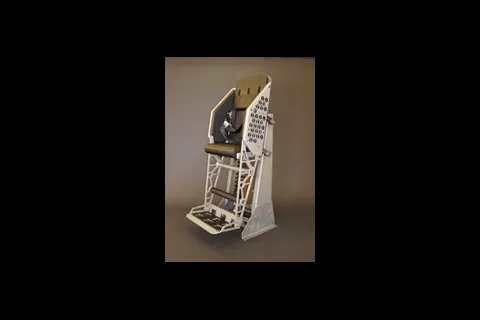
870V53 Advanced Shock-Mitigating Bolster
Stand-up shock-mitigating bolster with a suspension proven in Sea State 4 at 50+ knots aboard the MKV Special Operations Craft.