Sasakura Engineering Equipment
Heat Exchangers
Air-cooled and fin-tube heat exchangers and heat recovery units for refineries, petrochemical, incineration and marine applications.
Description
Sasakura's heat exchange technology is used in petroleum refineries, petrochemical plants, municipal waste incineration plants and marine applications. The company began manufacturing air-cooled heat exchangers and K-fin tubes in 1963, and heat recovery systems that reuse exhaust gas, steam and waste heat are a focus.
Key features
- Air-cooled heat exchangers
- Fin-tube-type heat exchangers
- Heat pipe thermal recovery units
- Rotary thermosiphon chill rolls
Applications
Petroleum refineries, petrochemical plants, municipal waste incineration plants and marine applications requiring heat exchange or waste-heat recovery.
More from Sasakura Engineering
- Plate-Type Fresh Water Generator Aquario
- Sasakura Fresh Water Generator series X
- Sasakura Double Effect Fresh Water Generator series WX
- Sasakura Dual and Triple Effect Low-Pressure Submerged Tube-Type Fresh Water Generator
- Sasakura Two-Stage Flash-Type Fresh Water Generator
- Sasakura Low-Pressure Submerged Tube-Type Fresh Water Generator
- Sasakura Multi-Stage Flash-Type Fresh Water Generator
- Sasakura Vacuum-Vapor-Compression-Type Desalination Plant (marine)
- Oily Water Separator PURELIO
- Sasakura Sewage Treatment Plant
- Sasakura Cryogenic Butterfly Valve
- Sasakura Noise Control Systems
Featured products
All products →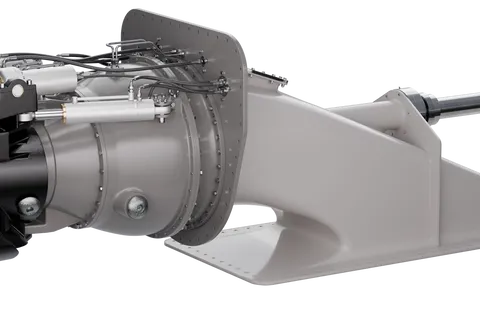
Equipment
Compact Steering Unit (CSU) Waterjet
MJP Compact Steering Unit (CSU): mixed-flow duplex stainless steel waterjet series from 2,500 to 24,000 kW for vessels of 26–200 m, with classic reversing bucket for narrow installations and composite, steel or aluminium intakes.
Consumable
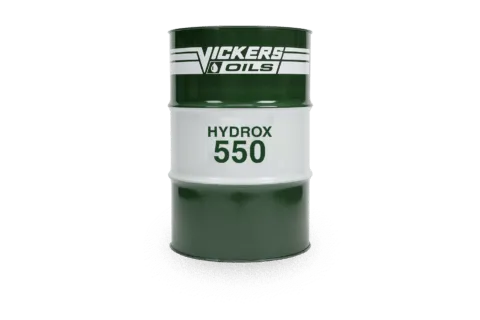
HYDROX 550
Emulsifiable mineral sterntube oil (ISO 68) for regular running and some stabilisers; Class tested, verified by Lloyd's Register, approved by major seal makers.
Equipment
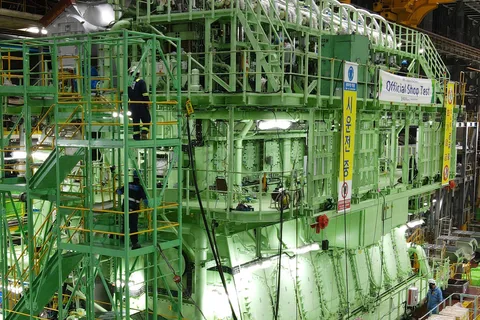
Everllence B&W ME-LGIM Methanol Dual-Fuel Engine
Low-speed two-stroke dual-fuel engine running on methanol or conventional marine fuels, in service since 2016 with over 600,000 hours on methanol; 6,950–82,440 kW, 56–125 rpm, for newbuilds and retrofits.