Jered System / Package
Elevated Causeway System/Modular (ELCS(M))
Modular steel-pontoon elevated causeway for cargo offloads where no pier exists, reaching up to 3000 feet from the beach; modules sized to fit ISO containers.
Description
Jered designed and manufactured the Elevated Causeway System/Modular (ELCS(M)) for the U.S. Naval Facilities Command to support large cargo off-loads in areas with no pier facilities, or where existing facilities need additional support. It is a system of connected steel pontoons elevated on piles that extend seaward across the surf zone, providing a crossing point between lighterage, cargo vessels and the beach.
Key features
- Extends up to 3000 feet from the beach to reach a maximum pierhead water depth of 20 feet
- Roadway supports two-way truck traffic
- Roadway length from beach ramp to pierhead can vary by up to 67 pontoon sections to suit beach gradients
- Modules standardized to fit ISO containers for transport, mobilization and deployment
- Includes the pier, lighting, safety, navigation and cargo handling systems, a marshaling yard system and a barge ferry system
Applications
- Military logistics over the shore and contingency cargo operations
Specifications
| Maximum length from beach | up to 3000 ft |
|---|---|
| Pierhead water depth | 20 ft |
| Roadway length variation | up to 67 pontoon sections |
| Module size | ISO container compatible |
More from Jered
Featured products
All products →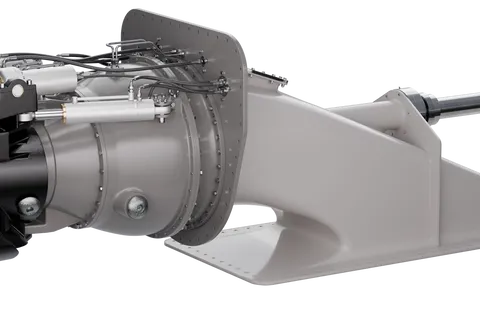
Equipment
Compact Steering Unit (CSU) Waterjet
MJP Compact Steering Unit (CSU): mixed-flow duplex stainless steel waterjet series from 2,500 to 24,000 kW for vessels of 26–200 m, with classic reversing bucket for narrow installations and composite, steel or aluminium intakes.
Consumable
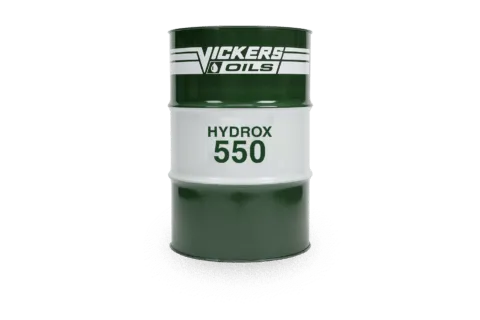
HYDROX 550
Emulsifiable mineral sterntube oil (ISO 68) for regular running and some stabilisers; Class tested, verified by Lloyd's Register, approved by major seal makers.
Equipment
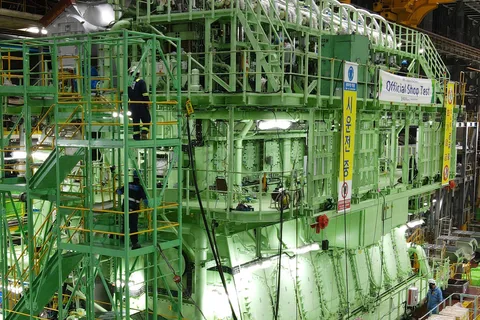
Everllence B&W ME-LGIM Methanol Dual-Fuel Engine
Low-speed two-stroke dual-fuel engine running on methanol or conventional marine fuels, in service since 2016 with over 600,000 hours on methanol; 6,950–82,440 kW, 56–125 rpm, for newbuilds and retrofits.